
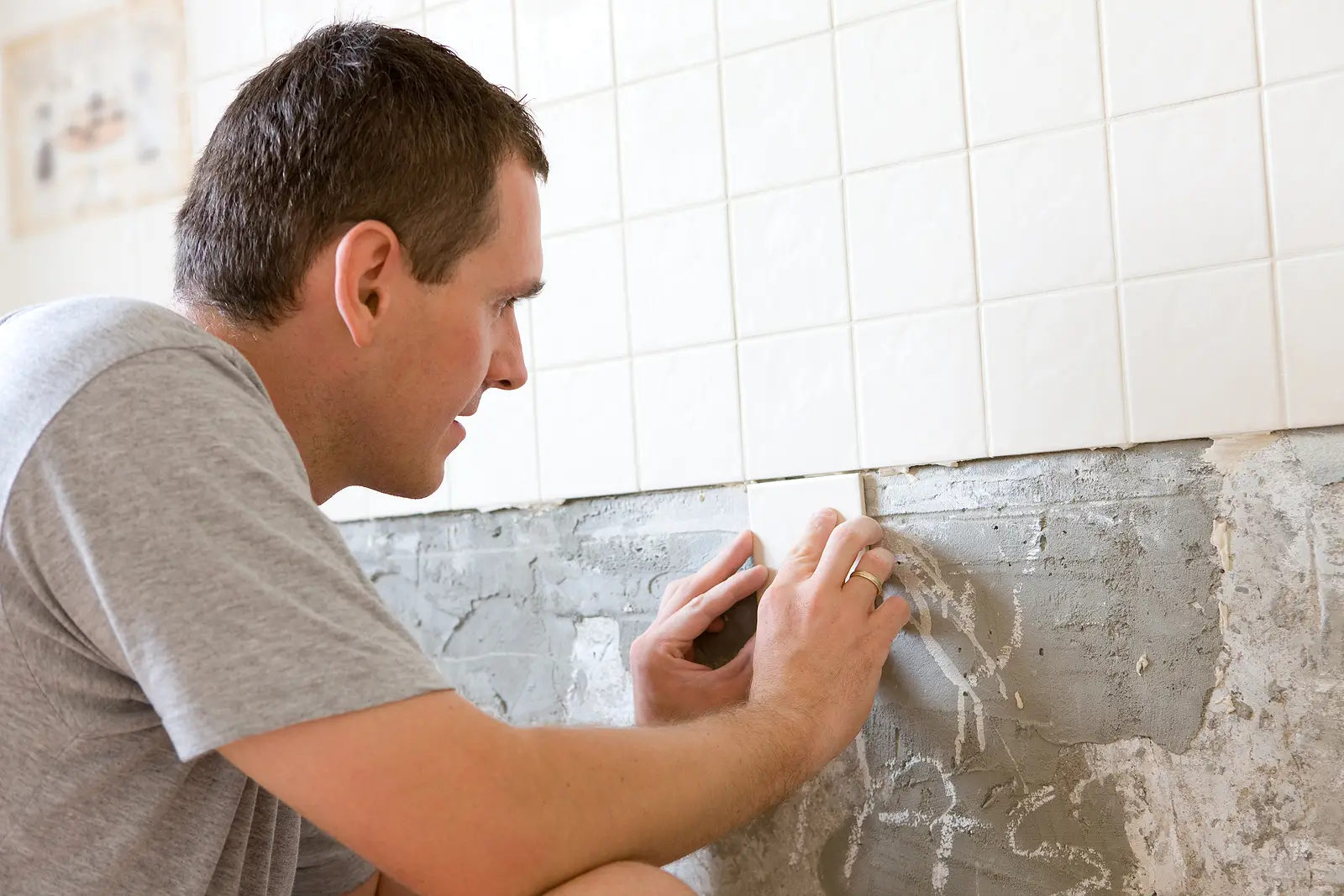
Property maintenance is one of the most important responsibilities in rental property management. In a competitive market like San Diego, CA, tenants expect safe and well-maintained homes, while property owners rely on efficient repair coordination to protect the long-term value of their investments.
Managing repairs involves much more than simply calling a contractor. Property managers must prioritize requests, communicate with tenants, coordinate vendors, monitor timelines, and ensure work is completed correctly. Without an organized process, delays and poor communication can quickly lead to tenant dissatisfaction, increased expenses, and avoidable property damage.
Key Takeaways
Efficient repair coordination helps protect property value and improve tenant satisfaction.
Proactive maintenance systems reduce delays, emergencies, and long-term repair costs.
Clear communication between tenants, vendors, and property managers keeps repairs organized and efficient.
Professional oversight ensures repairs are completed properly and in compliance with local standards.
Prioritizing Maintenance Requests
One of the first steps in efficient repair coordination is identifying which maintenance requests require immediate attention. Not every issue carries the same level of urgency, so property managers must carefully evaluate requests.
Emergencies such as plumbing leaks, electrical hazards, or heating failures require a rapid response to prevent property damage and protect tenant safety. Less urgent repairs, such as cosmetic issues or minor appliance concerns, can often be scheduled more strategically.
Having a structured system for categorizing maintenance requests allows property managers to respond quickly while keeping repair schedules organized. This level of responsiveness is especially important in San Diego’s competitive rental market, where tenant expectations remain high.
Building Reliable Vendor Relationships
Efficient repairs depend heavily on trusted vendor partnerships. Property managers work with a network of licensed contractors, plumbers, electricians, HVAC technicians, and other specialists who can respond quickly when issues arise.
Strong vendor relationships improve scheduling flexibility, communication, and service quality. Vendors who regularly work with professional property managers often understand the importance of timely repairs and consistent reporting.
Reliable contractors also help property managers maintain compliance with California housing standards and local safety regulations. Choosing qualified professionals reduces the likelihood of incomplete work or recurring maintenance problems.
Over time, established vendor relationships create smoother workflows and more predictable repair timelines for both owners and tenants.
Preventative Maintenance Reduces Emergencies
One of the most effective ways to coordinate repairs efficiently is to prevent major problems before they occur. Preventive maintenance enables property managers to identify minor issues early, reducing the likelihood of costly emergency repairs later.
Routine inspections, seasonal servicing, and scheduled maintenance help maintain the property's overall condition. Property owners who follow a structured annual maintenance plan often avoid sudden system failures and unexpected repair expenses.
Using a comprehensive landlord maintenance schedule helps ensure important tasks are completed consistently throughout the year. Preventive maintenance not only protects the property but also improves tenant satisfaction by creating a safer, more reliable living environment.
Clear Communication Throughout the Process
Repair coordination requires constant communication between multiple parties. Tenants need updates regarding timelines, vendors need access details, and owners need visibility into repair costs and progress.
Property managers act as the central point of communication, helping ensure that information is shared accurately and efficiently. Clear communication minimizes confusion and prevents delays that could prolong repair timelines.
For tenants, regular updates create reassurance that maintenance concerns are being taken seriously. For owners, transparent reporting helps maintain confidence that the property is being managed responsibly.
Strong communication also reduces the likelihood of disputes or misunderstandings regarding repair responsibilities.
Managing Costs Without Sacrificing Quality
Efficient repair coordination is not just about speed. It also involves balancing cost control with quality artistry. Property managers must carefully evaluate repair options to ensure solutions are both cost-effective and durable.
Choosing the lowest-priced contractor is not always the best decision if poor artistry leads to repeated repairs later. Professional property managers focus on long-term value by selecting vendors who provide reliable service and lasting results.
Property owners also benefit from understanding how repairs impact overall property performance. Monitoring repair expenses alongside investment metrics such as rental income and property value helps owners make informed financial decisions. Reviewing capitalization rate metrics can provide additional insight into how maintenance investments affect long-term profitability.
Handling Tenant-Related Repair Challenges
Not all maintenance situations are straightforward. In some cases, tenant behavior or lease violations may contribute to property damage or repair complications.
Property managers must handle these situations carefully while remaining compliant with California landlord-tenant laws. Clear documentation, professional communication, and consistent enforcement of lease terms are essential.
When disputes escalate or legal concerns arise, following proper procedures becomes especially important. Understanding eviction and tenant compliance standards helps property managers address complex situations responsibly while protecting the owner’s investment.
A professional and legally compliant approach reduces risk and helps maintain fair treatment for all parties involved.
Technology Improves Repair Coordination
Modern property management technology has significantly improved maintenance coordination in recent years. Online maintenance portals allow tenants to submit requests quickly, upload photos, and track repair progress.
Digital systems also help property managers assign vendors, monitor timelines, and store maintenance records in one centralized platform. This level of organization improves efficiency and reduces the chances of missed communication.
For property owners, technology provides greater transparency into repair activity and maintenance expenses. Access to organized records makes it easier to review property performance and monitor ongoing operational costs.
In a fast-paced market like San Diego, efficient technology systems help streamline maintenance operations and improve overall service quality.
Long-Term Benefits of Efficient Repairs
Efficiently coordinating repairs delivers benefits beyond resolving immediate maintenance issues. Well-maintained properties tend to attract higher-quality tenants, reduce turnover, and preserve long-term asset value.
Tenants are more likely to renew leases when maintenance requests are handled professionally and promptly. Reduced vacancy rates help stabilize rental income while minimizing turnover-related costs.
Efficient repair coordination also supports stronger owner relationships. Property owners gain confidence knowing that maintenance issues are being addressed proactively and responsibly.
In the long run, a proactive maintenance strategy contributes to stronger financial performance and improved property conditions.
FAQs
1. Why is repair coordination important in property management?
Efficient repair coordination helps protect the property, maintain tenant satisfaction, and reduce the likelihood of costly emergencies.
2. How do property managers prioritize maintenance requests?
Emergency repairs involving safety or major property damage are typically addressed first, while non-urgent issues are scheduled based on severity and availability.
3. What is preventative maintenance?
Preventative maintenance involves routine inspections and scheduled servicing designed to identify and address issues before major problems develop.
4. How does technology improve maintenance coordination?
Digital maintenance systems streamline communication, vendor scheduling, tracking, and documentation for faster and more organized repairs.
5. Can efficient repairs improve tenant retention?
Yes. Tenants are more likely to renew leases when maintenance requests are handled quickly, professionally, and consistently.
Keep San Diego Rental Properties Running Smoothly With Penny Realty
Efficient repair coordination plays a critical role in protecting rental properties and maintaining positive tenant relationships. From preventative maintenance planning to vendor management and emergency response, professional oversight helps ensure repairs are completed quickly and correctly.
At Penny Realty, comprehensive property management services are designed to help San Diego property owners reduce maintenance stress while protecting long-term investment performance. With proactive systems, trusted vendor relationships, and responsive communication, the team helps rental properties operate efficiently year-round.
If you are a property owner seeking professional support with maintenance coordination and full-service management, contact us today to learn how expert property management solutions can help maximize property performance.