
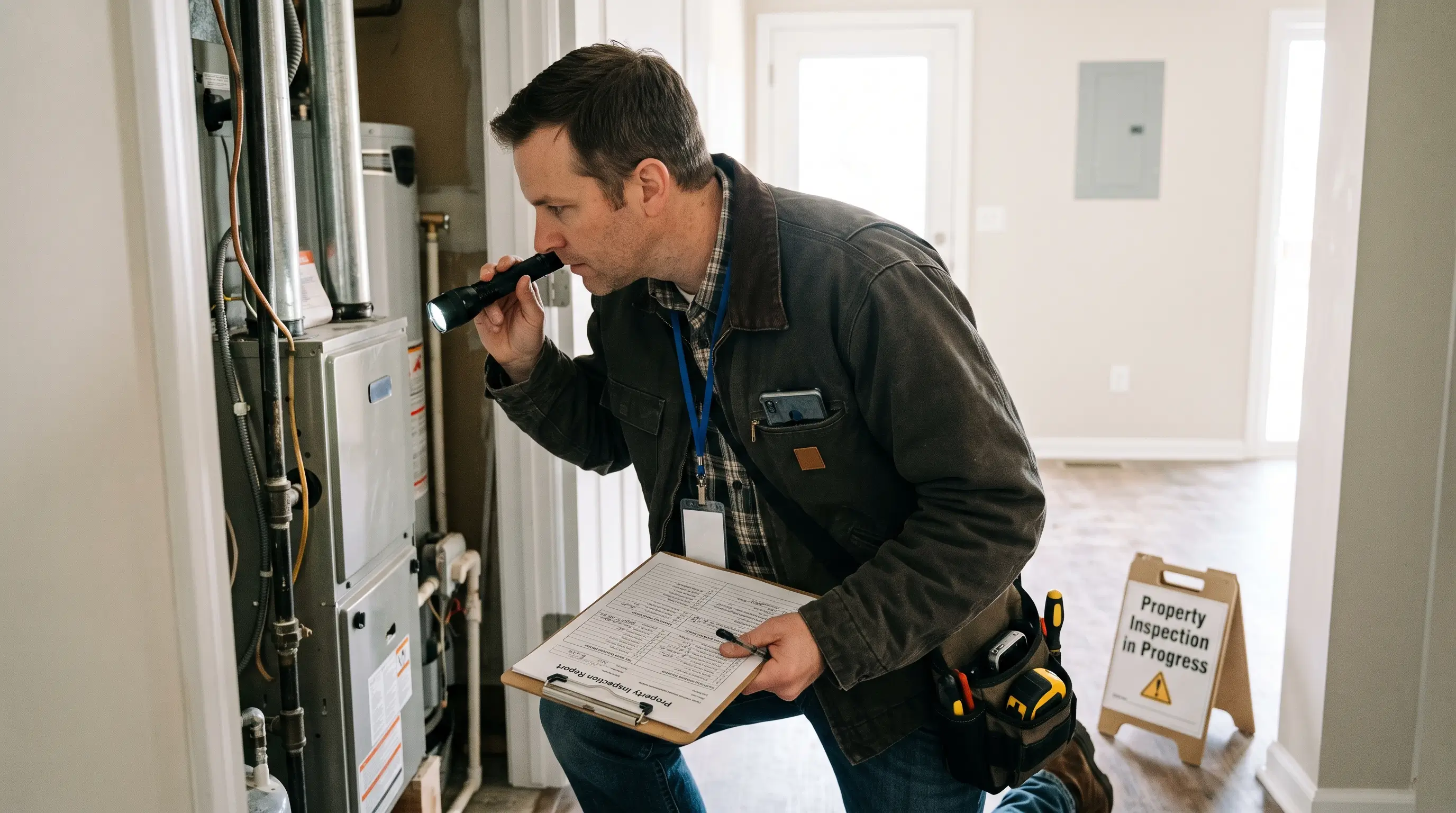
Routine property inspections are one of the most overlooked tools in successful rental management, yet they play a critical role in protecting an owner's investment. Regular checks help catch small maintenance issues before they become expensive repairs, confirm that tenants are complying with lease terms, and give owners peace of mind that their property is being cared for properly.
For San Diego property owners, understanding how often inspections should happen and what those inspections actually cover can make a significant difference in long-term property performance. This blog breaks down the typical inspection schedule for rental properties, what each type of inspection involves, and why consistency matters.
Key Takeaways
Rental properties in San Diego typically undergo four main types of inspections throughout a tenancy.
Move-in and move-out inspections document the property's condition and protect both owners and tenants.
Routine inspections, usually conducted annually or semi-annually, help catch maintenance issues early.
Consistent inspection schedules reduce long-term repair costs and support stronger tenant accountability.
The Four Main Types of Rental Property Inspections
Not all inspections serve the same purpose. Property managers typically schedule several distinct types of inspections throughout the life of a lease, each designed to capture different information at different points in time.
Move-In Inspections
Conducted before a tenant takes possession of the property, this inspection documents the existing condition of the unit, including photos of walls, flooring, appliances, and fixtures. This record becomes essential later when determining what, if any, damage occurred during the tenancy.
Routine Inspections
These are periodic checks conducted during the tenancy, typically every six to twelve months, to confirm the property is being maintained properly and to identify any developing issues such as leaks, pest activity, or unauthorized alterations.
Drive-By Inspections
A quicker, less formal check of the exterior of the property, often used to confirm curb appeal, landscaping upkeep, and general external condition without requiring tenant coordination.
Move-Out Inspections
Performed once a tenant vacates, this inspection compares the property's current condition against the original move-in documentation to determine whether any deductions from the security deposit are warranted.
How Often Should Routine Inspections Happen?
While move-in and move-out inspections are tied to specific events, routine inspections are where scheduling becomes more of a judgment call. Most property managers in San Diego recommend conducting routine inspections once or twice a year, though this can vary based on the type of property and the length of the lease.
For owners who own a multifamily property, inspection frequency often increases slightly since more units mean more opportunities for maintenance issues to develop unnoticed. Staggering inspections across units throughout the year, rather than inspecting all units at once, tends to be a more manageable approach for larger properties.
Single-family homes and smaller properties, on the other hand, are often inspected annually unless a specific concern arises, such as a maintenance request pattern or a lease renewal decision that warrants a closer look at the property's condition.
What Property Managers Look for during an Inspection
A thorough inspection covers far more than a quick walk-through of the property. Property managers typically evaluate:
Structural and Safety Issues
This includes checking smoke detectors, carbon monoxide detectors, electrical outlets, and any visible signs of structural damage such as cracks in walls or ceilings.
Plumbing and Water Damage
Inspectors look for leaks under sinks, around toilets, and near water heaters, since water damage left unaddressed can lead to mold growth and costly repairs.
HVAC System Performance
Filters, vents, and overall system function are checked to ensure heating and cooling systems are operating efficiently, particularly important given San Diego's climate variations throughout the year.
Lease Compliance
Inspectors confirm that only approved occupants and pets are living in the unit, and that no unauthorized modifications, such as painting walls or installing fixtures, have been made without permission.
General Cleanliness and Upkeep
While tenants are not expected to maintain a spotless home, excessive clutter, unsanitary conditions, or neglect can signal larger issues that need to be addressed before they escalate.
This same level of diligence applies to owners who own a commercial property, though commercial inspections often include additional checks related to code compliance, signage conditions, and shared common areas that residential inspections typically do not cover.
Why Consistent Inspections Protect Your Investment
Skipping inspections might seem like a way to avoid disrupting tenants, but the long-term costs of inconsistent oversight often outweigh the short-term convenience. A small roof leak that goes unnoticed for months can turn into extensive water damage. A minor plumbing issue can escalate into a burst pipe. Catching these problems early through routine inspections almost always costs less than addressing them after they've caused significant damage.
Beyond maintenance, regular inspections also reinforce lease compliance. Tenants who know their property will be checked periodically are generally more likely to follow lease terms regarding pets, guests, and property upkeep. This accountability benefits both the owner's investment and the overall condition of the property for future tenants.
FAQs
Do tenants have to be notified before an inspection?
Yes, California law generally requires landlords to provide at least 24 hours' notice before entering a rental unit for a non-emergency inspection.
Can a tenant refuse an inspection?
Tenants cannot unreasonably refuse a properly noticed inspection, though scheduling is often coordinated to accommodate their availability.
What happens if an inspection reveals damage during the tenancy?
Depending on the severity, the property manager may address the issue immediately through repairs or document it for further action at move-out.
Are drive-by inspections a replacement for full routine inspections?
No, drive-by inspections only assess the exterior and should not replace a full interior walkthrough on a regular schedule.
How long does a typical routine inspection take?
Most routine inspections take between twenty and forty-five minutes, depending on the size of the property and any issues found along the way.
Partner with Penny Realty for Reliable Property Oversight
Consistent, thorough inspections are one of the simplest ways to protect a rental property from costly surprises down the road. Knowing what to check, how often to check it, and how to document findings properly takes experience and a system that works.
Penny Realty provides San Diego property owners with structured inspection schedules and detailed reporting, giving owners confidence that their investment is being looked after at every stage of the tenancy. If you want a property management partner who takes inspections seriously, reach out to the Penny Realty team to learn more about how we can protect your property.