
Unpaid Rent: What San Diego Landlords Should Do When Tenants Fall Behind
Unpaid rent is one of the most common and stressful challenges for San Diego landlords. Missed payments disrupt cash flow, strain tenant relationships, and can expose you to legal risk if the situation isn’t handled correctly. With a structured approach, you can protect both your property and your income while staying aligned with California’s strict landlord-tenant rules.
At Penny Realty, we’ve been managing rental homes in San Diego since 1965, and the process below reflects the same steps our team uses every month across hundreds of properties. These fundamentals keep owners legally protected, minimize delays, and create a clearer path toward resolving non-payment situations quickly.

1. Review the Lease and Grace Period
Before taking any action, confirm the exact rent due date and any built-in grace period outlined in the lease agreement. Many leases list rent as due on the 1st of the month; however, at Penny Realty we allow tenants until the 4th, or the next business day if the 4th falls on a weekend or holiday. This prevents unnecessary disputes and ensures your actions stay compliant.
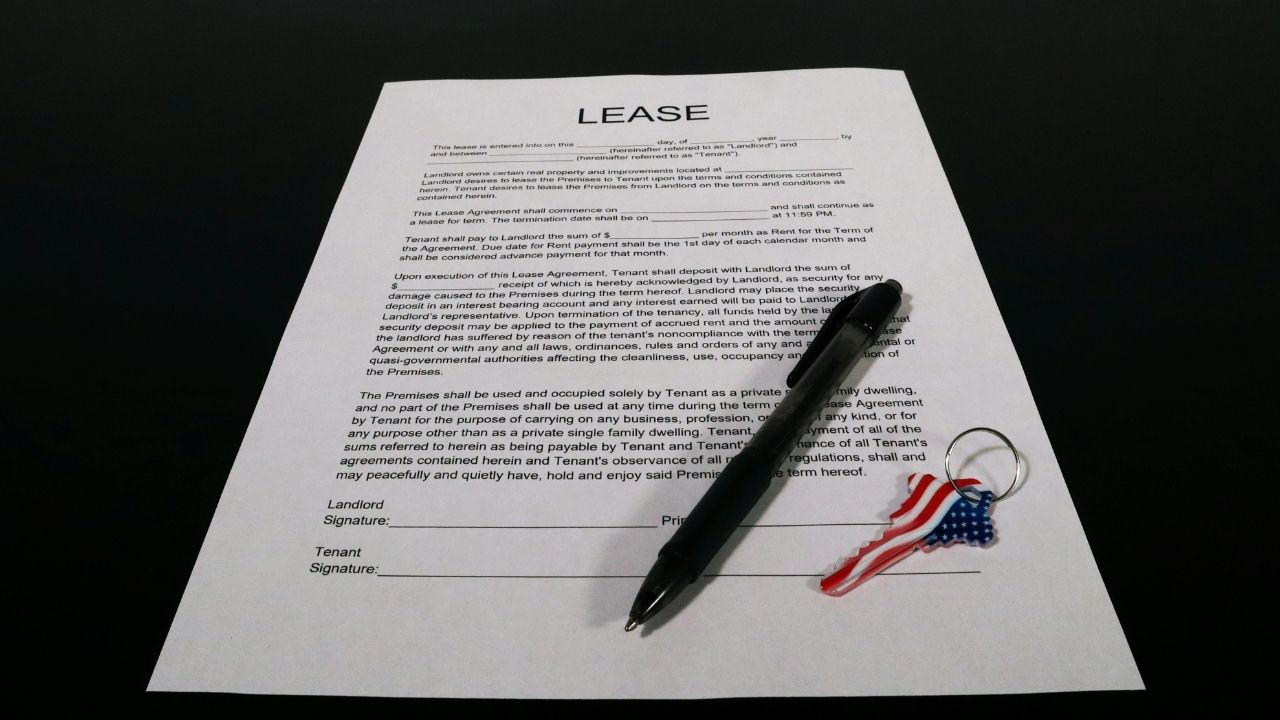
Understanding the lease is also essential when addressing broader issues such as attracting stronger applicants in competitive San Diego rental markets, Stronger tenancy usually begins long before rent ever becomes overdue, starting with clear expectations and proper screening.
2. Send a Friendly Reminder
A missed payment isn’t always intentional. Delays in payroll, travel, medical issues, or simple oversight happen more often than landlords expect. A brief message by text, email, or phone often resolves the issue quickly and preserves a positive landlord-tenant relationship.

At Penny Realty, late fees apply on the 5th. On that same day, we send a reminder that outlines:
The total rent due
Any late fees
A three-day window to submit payment
We also maintain detailed documentation of every communication. This becomes extremely valuable if the situation escalates or if legal action is required later.
This same documentation mindset is equally important in situations such as when tenants leave without notice, where timelines and written records play a major role in protecting your interests.
3. Serve a 3-Day Notice to Pay or Quit
If rent remains unpaid, the next step under California law is to serve a 3-Day Notice to Pay Rent or Quit. The timing rules are strict:
The day the notice is served does not count as Day 1.
Weekends and judicial holidays do not count toward the 3 days.
Service must be completed properly, either by personal delivery, substituted service, or posting and mailing.
Accuracy matters here. Improper service is one of the most common eviction-process errors and often leads to delays, court rejection, or the need to restart the entire notice period. Even a small mistake can cost landlords several weeks of additional lost rent.
4. Move Forward if the Tenant Still Hasn’t Paid
If the deadline passes and the tenant has not paid, it’s time to escalate. At Penny Realty, we make one final same-day courtesy call. If payment still doesn’t arrive by the end of the day, the file is forwarded to our eviction attorney the next morning so the process can continue without delay.

Following through is essential. When consequences aren’t enforced, tenants may begin testing limits, leading to recurring issues with rent, maintenance, and communication. Consistency reinforces expectations and supports a healthier landlord-tenant relationship over time.
Cash-flow considerations are another factor. Understanding how delinquent rent impacts real estate income shows why prompt action is critical to protecting long-term returns. If a co-signer is listed on the lease, they must also receive copies of every notice, failing to do so can invalidate the entire process.
5. Consider Professional Property Management
Handling late payments, legal notices, and potential evictions requires time, documentation, and a clear understanding of California landlord-tenant law. Professional management minimizes risk by screening tenants thoroughly, enforcing lease terms consistently, and overseeing every step of the rent-collection and notice process.

Stronger tenancy often begins well before move-in, and insights from our guide on attracting higher-quality applicants support this early stage by helping landlords establish strong screening criteria that reduce future risk.
Tenant-quality issues tend to trace back to the screening process, and applying strong screening criteria that reduce future risk.
Tenant-quality issues frequently trace back to the screening process, and applying strong screening criteria early on is one of the most effective ways to prevent non-payment and other recurring issues. For owners in San Diego County, hiring an experienced property management team can turn a stressful, time-consuming situation into a predictable, compliance-driven process.
Quick Summary
Here are the essential steps every landlord should follow:
Review the lease and grace period
Send a friendly reminder and document all communication
Serve a 3-Day Notice to Pay or Quit
Move forward with an eviction attorney if payment still isn’t made
Consider professional management for long-term protection
If you’re navigating unpaid rent or want a stronger system in place, Penny Realty can help safeguard your investment and maintain stable rental income.
Final Thoughts
Late rent is never ideal, but it doesn’t have to spiral into a complicated or overwhelming situation. When landlords follow a clear process, confirming lease terms, documenting every step, communicating promptly, and applying notices correctly, the path forward becomes far more manageable. Strong upfront screening and consistent enforcement also go a long way toward preventing non-payment issues before they begin.
For property owners in San Diego, having an experienced team in your corner can make all the difference. Penny Realty has spent decades refining these procedures to protect local landlords, maintain compliance with California law, and keep rental income as stable as possible. With the right systems in place, even the most challenging rent-collection issues can be handled confidently and efficiently.
Legal Disclaimer
The information provided in this article is intended for general educational purposes and should not be interpreted as legal advice. Laws and regulations surrounding landlord-tenant issues can vary based on location and specific circumstances. Before taking any action related to notices, rent collection, or eviction, landlords should consult with a qualified attorney who specializes in California landlord-tenant law. Penny Realty does not provide legal representation and encourages property owners to seek professional legal guidance when needed.